

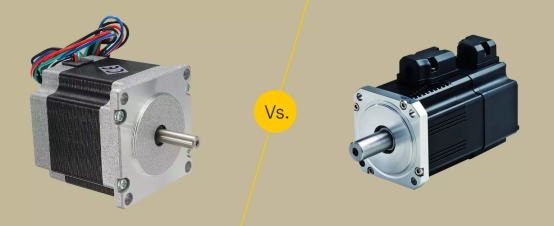
1. Key Differences
| Feature | Stepper Motor | Servo Motor |
|---|---|---|
| Control Method | Open-loop (no encoder) | Closed-loop (encoder feedback) |
| Precision | Depends on step angle (e.g., 1.8°/step), risk of missed steps | High precision (real-time encoder correction) |
| Torque Characteristics | High torque at low speeds, drops significantly at high speeds | Consistent torque across speed range |
| Dynamic Response | Slower acceleration, limited bandwidth | Fast response, suitable for rapid start/stop or speed changes |
| Cost | Low (simple structure, no feedback) | High (motor + driver + encoder) |
| Vibration & Noise | Prone to vibration at low speeds, noisy | Smooth operation, quiet |
| Overload Capability | Misses steps if overloaded | Can handle short-term overload |
2. Selection Guidelines
-
Choose a stepper motor if: Budget is limited, load is stable, speed is low, and minor errors (e.g., missed steps) are acceptable (can be compensated mechanically).
-
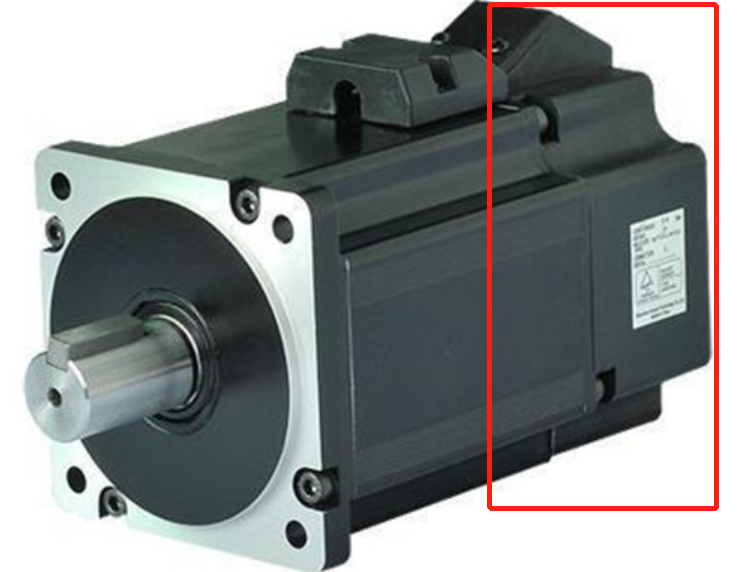
Choose a servo motor if: High speed, precision, frequent start/stop, or variable loads are required, despite higher cost.
3. Additional Notes
-
Stepper motor upgrades: Closed-loop steppers (with encoders) reduce missed steps, offering a middle-ground solution.
-
Servo system complexity: Requires PID tuning and higher engineering expertise.
-
Energy efficiency: Servos are more efficient under light loads; steppers may overheat in holding torque scenarios.
By balancing performance and cost based on actual needs, electric actuator designs can be optimized. Let me know if you need further details! We will provide you with suitable product solution according to your actual needs!