Three Reasons to Choose Electric Over Hydraulic Actuators
According to Tolomatic — a developer of electric, pneumatic and other motion components — there are a variety of reasons its customers are choosing to use electric actuators over hydraulic cylinders, but three main factors are driving the shift to electric:
1.reduced footprint and system complexity,
2.fewer maintenance requirements, and
3.motion control flexibility.
Today, let’s talk about the first one -- Design Simplicity
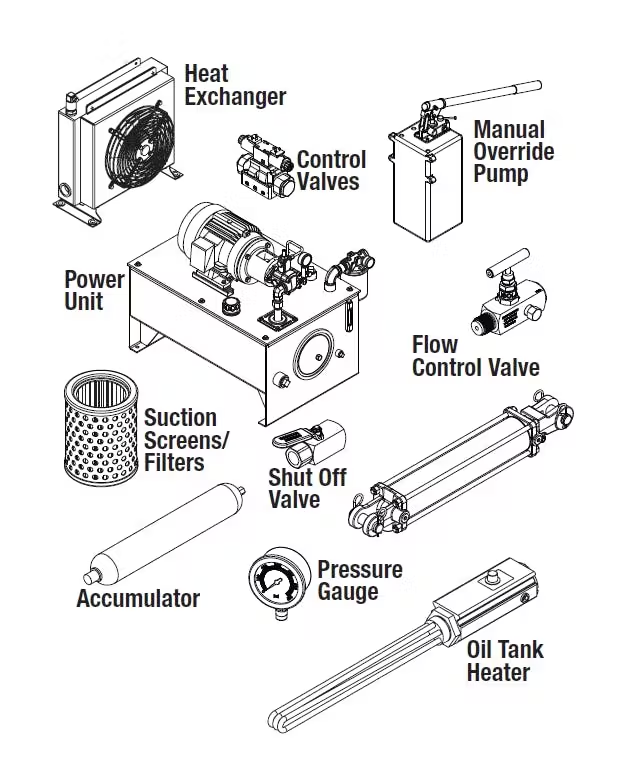
The design of electric actuators is not as complex as that of hydraulics, which is one of the reasons customers choose them over the latter. As Tolomatic explained to Power & Motion, there are very few components in an electric actuator compared to a hydraulic system. Hydraulics require valves, regulators, hoses, hydraulic power units (HPU) and more. And there is the potential for any of these components to leak or fail over the life of a machine, the company said.
If the hydraulic system leaks, the hydraulic oil can be time consuming to clean up and could cause potential environmental concerns. There is also the potential for safety issues if oil contaminates manufactured products.
All the components required by a hydraulic system necessitate a larger footprint in a manufacturing facility, as well, which can be difficult to accommodate if space is at a premium.
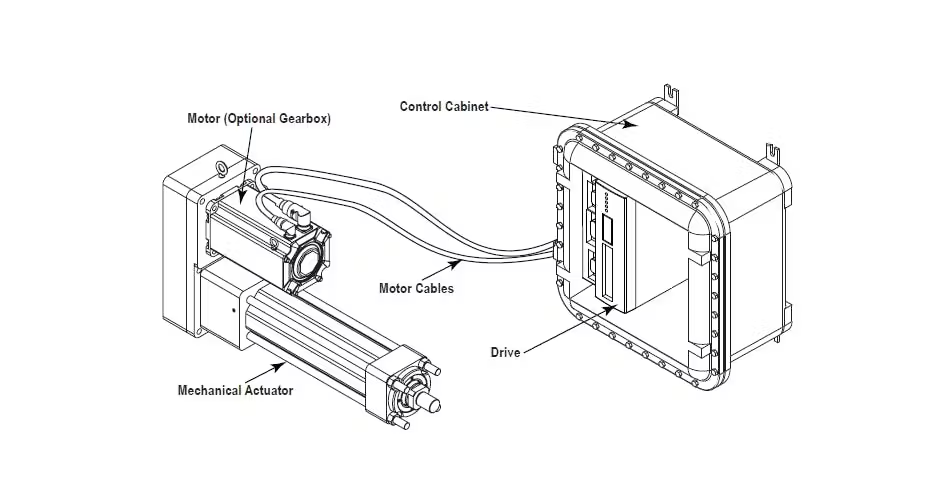
Electric actuators, on the other hand, do not use oil and therefore leakage issues are not a concern. In addition, they have a smaller overall footprint as the system consists of the actuator, a motor (often a servo or other device), cables, and a drive or amplifier which is typically housed in a control cabinet. There may also be an optional gearbox.
Per Tolomatic, an electric actuator does require more length than a hydraulic cylinder because of its integrated power screw and bearing system but it uses a servo drive which is a fraction of the size of the HPU utilized by hydraulic systems, helping to provide a smaller overall footprint.
The company said the growing use of planetary roller screws in electric actuators have helped them achieve higher life ratings and greater force capabilities in a much smaller package (versus ball screws). This enables electric actuators to fit into some applications previously dominated by hydraulics.