
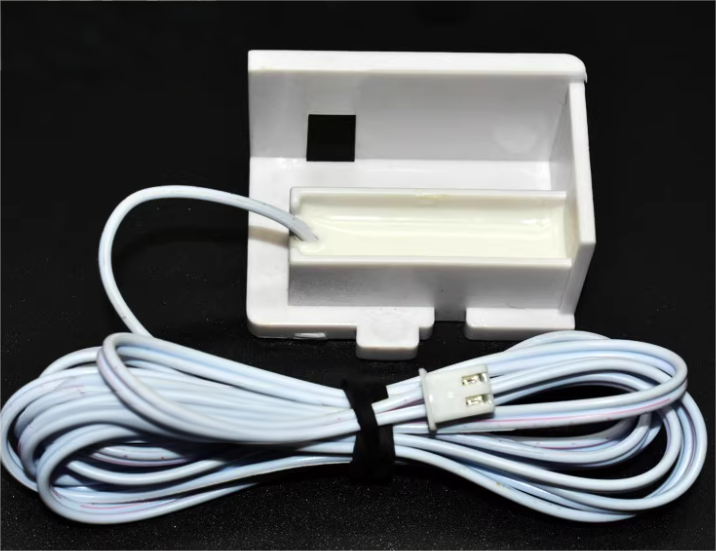
1. Two-Wire Limit Switch
-
Wiring: Only two wires (power/signal combined, typically in series).
-
Working Principle:
-
Mechanical contact switch (NO/NC).
-
Physically opens/closes the circuit when the piston triggers it.
-
-
Features:
-
Simple & Passive: No external power required; operates by circuit current.
-
No Polarity: Can be wired in any direction.
-
Limited Lifespan: Mechanical contacts wear out over time.
-
Basic Function: Only provides on/off signals (hardwired as NO or NC).
-
-
Applications:
-
Low-cost systems, simple motor reversal, or emergency stop circuits.
-
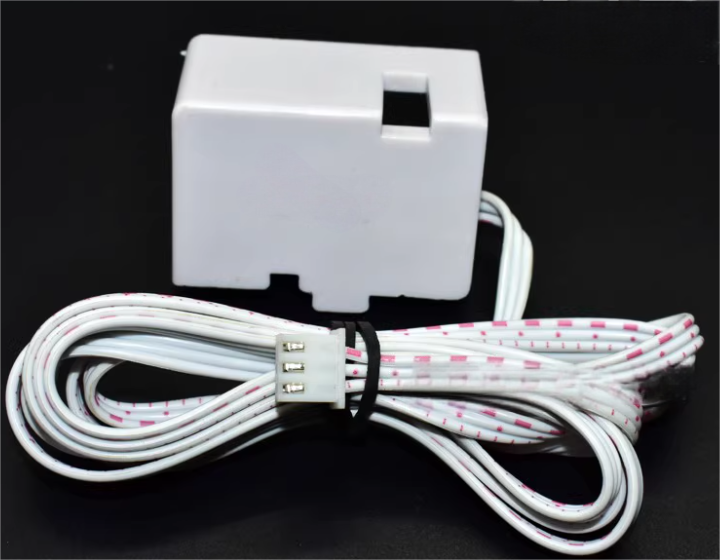
2. Three-Wire Limit Switch
-
Wiring: Three wires (power + ground + signal output).
-
Working Principle:
-
Non-contact (e.g., Hall effect, inductive, or optical sensors).
-
Requires external power (e.g., DC 5–24V) and outputs a digital signal (e.g., PNP/NPN).
-
-
Features:
-
Non-Contact: No physical wear, longer lifespan.
-
Powered Operation: Needs a separate voltage supply.
-
Flexible Output: Programmable logic (NO/NC), compatible with PLCs.
-
High Precision: Fast response, suitable for repetitive tasks.
-
Noise Immunity: Better performance in EMI-heavy environments.
-
-
Applications:
-
Automated systems, precision positioning, or high-frequency operations.
-
Comparison Summary
| Feature | 2-Wire Switch | 3-Wire Switch |
|---|---|---|
| Wiring | 2 wires (series) | 3 wires (power + signal) |
| Power Need | None (passive) | External supply required |
| Contact Type | Mechanical | Electronic (non-contact) |
| Output Signal | Direct circuit break/make | Digital (e.g., PNP/NPN) |
| Lifespan | Shorter (contact wear) | Longer (no moving parts) |
| Cost | Lower | Higher |
| Use Case | Simple on/off control | Automation, precision systems |